Electoral Bonds in India: The Big Debate on Political Funding and Transparency
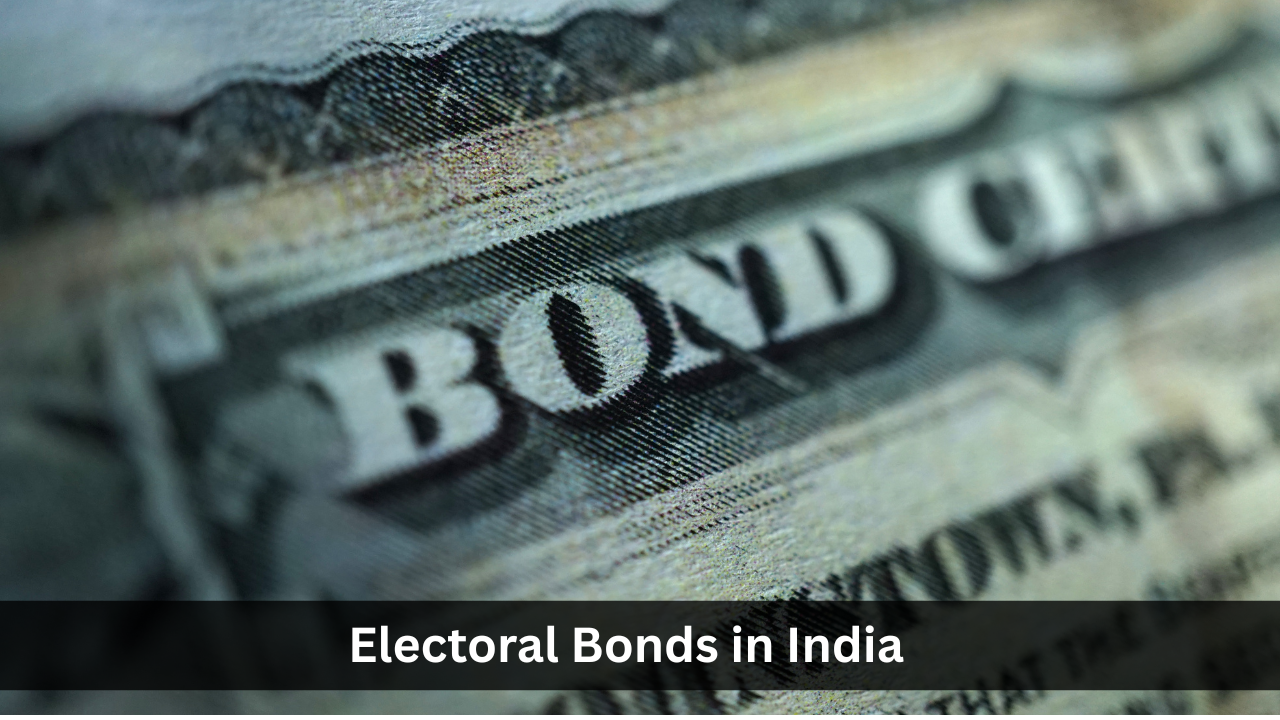
In recent years, political funding has become a hot topic in India. A major part of this conversation is about electoral bonds — a system introduced in 2018 to clean up the way political parties get money. But instead of bringing more openness, many believe it made things even more confusing.
So, what exactly are electoral bonds? And why did the Supreme Court step in? Let’s break it all down in simple terms.
What Are Electoral Bonds?
Electoral bonds were launched by the Indian government in January 2018. The idea was to reduce black money in politics. Here’s how they work:
- Any person or company can buy these bonds from State Bank of India (SBI).
- The buyer can donate them to any registered political party.
- The party can encash them within 15 days through its bank account.
The twist? The name of the donor is kept secret from the public.
On paper, it sounds like a clean and trackable method. But in reality, many started questioning: If the people don’t know who’s donating, how can it be called transparent?
Why Did It Become Controversial?
Soon after its launch, critics, journalists, and even former Election Commission officers raised red flags:
- No transparency for the public: Citizens had no way of knowing who was funding which party.
- Biased funding: Data showed that the ruling party (BJP) received the lion’s share of bond donations.
- Quid pro quo fears: Some companies donated big amounts shortly after getting government contracts or when they were under investigation.
The Supreme Court of India took notice, and in February 2024, it struck down the electoral bond scheme, calling it unconstitutional.
What Did the Supreme Court Say?
In a historic judgment, the Supreme Court said that the electoral bond system:
- Violated citizens’ right to know who funds political parties.
- Encouraged secret donations, which is harmful to a fair democratic process.
The court ordered SBI to release full details of bond purchases and which party got how much. This data showed clear patterns of biased funding, especially around elections.
What Did the Data Reveal?
After the court’s order, the Election Commission made the bond details public:
- Over ₹12,000 crore worth of bonds were purchased between 2018 and 2023.
- The BJP received more than 55% of the total donations.
- Several companies that donated later received big government contracts or saw their legal troubles vanish.
These findings made many Indians wonder: Is political funding being used to buy favors?
What Happens Next?
Now that electoral bonds are gone, political parties have to go back to declaring donations above ₹20,000, which was the old system. But this still doesn’t solve the core issue: there is no foolproof system to track and regulate political donations in India.
Experts and citizens are now calling for new reforms, such as:
- A public database showing who donated how much to each party.
- A limit on corporate donations to reduce influence from big business houses.
- Real-time disclosure during elections to track where money is flowing.
Final Thoughts
Money plays a huge role in elections — from rallies and advertisements to media coverage and digital campaigns. While fundraising is necessary, it must be fair and transparent.
The Supreme Court’s move to strike down electoral bonds is a big step toward cleaner politics, but there’s a long way to go.
At Chiangrai Times, we believe every voter deserves to know where political money comes from — because without transparency, democracy can’t truly function.
Stay with us for more updates on Indian politics, reforms, and citizen rights.
✅ Bookmark Chiangrai Times for Real Political News
✅ Get Simplified Coverage of Supreme Court Rulings
✅ Learn How Political Decisions Affect You and Your Vote