Essential Guide to Choosing the Right Marine Upright Freezer for Vessels and Cruise Ships
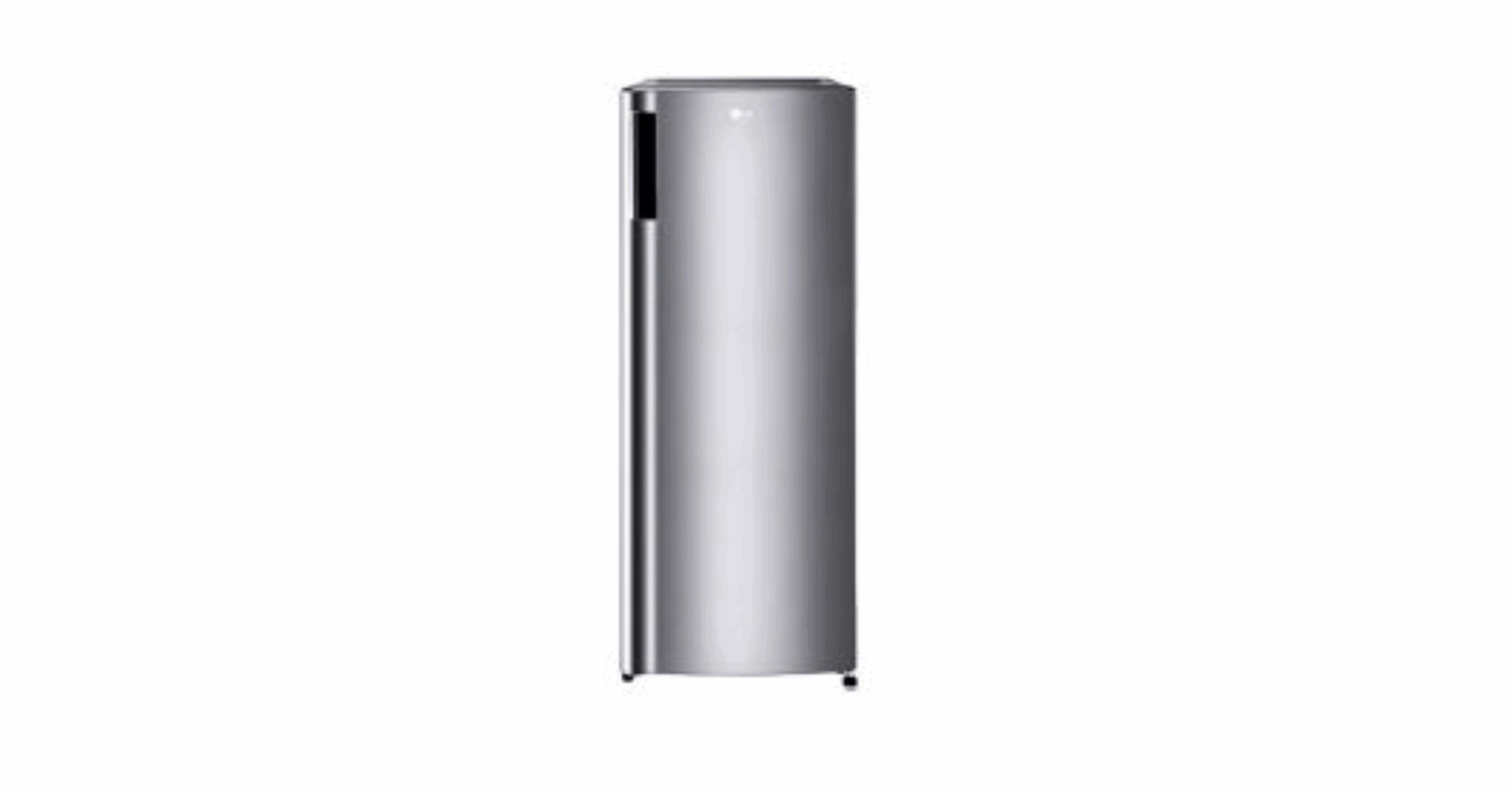
In the dynamic and demanding world of marine refrigeration, choosing the right equipment can mean the difference between operational efficiency and logistical headaches. One such critical piece of equipment is the Marine Upright Freezer—a robust, space-saving solution specifically designed to meet the unique challenges faced at sea. From commercial fishing vessels and cargo ships to luxury cruise liners, Marine Upright Freezer play a vital role in preserving food quality, minimizing waste, and ensuring compliance with strict health standards.
Why Marine Refrigeration Matters
When operating at sea, access to fresh provisions is limited, and the need for long-term food preservation becomes a priority. Marine refrigeration systems, unlike their land-based counterparts, must contend with variable temperatures, constant vibrations, and the corrosive nature of saltwater environments. These systems are engineered to perform reliably under extreme conditions, making them indispensable for maritime operations.
Marine upright freezers, in particular, are favored for their vertical design, which offers high storage capacity without occupying excessive deck or galley space. This is especially important in marine environments where every square inch counts. Whether it’s frozen seafood, meat, vegetables, or specialty ingredients for gourmet cuisine on a cruise ship, upright freezers help maintain optimal storage conditions, contributing to the overall efficiency of onboard kitchens.
Key Features of a High-Quality Marine Upright Freezer
A Marine Upright Freezer must meet several criteria to be considered suitable for maritime use. Below are some of the most important features to look for when selecting one:
-
Durability and Build Quality
-
Stainless steel construction is essential for resisting corrosion from salty air and moisture.
-
Marine-rated components ensure that the freezer can withstand heavy-duty use and fluctuating sea conditions.
-
-
Compact and Space-Efficient Design
-
With vertical shelving and adjustable compartments, upright freezers maximize storage while minimizing footprint.
-
Door locks and secure latches prevent accidental openings during turbulent sea conditions.
-
-
Energy Efficiency
-
Many marine upright freezers now come with advanced insulation and energy-saving compressors, reducing power consumption without compromising performance.
-
Some units include digital thermostats and LED lighting to further optimize energy use.
-
-
Temperature Control and Uniform Cooling
-
A precise cooling system ensures even temperature distribution, essential for the safe storage of frozen goods.
-
Auto-defrost and temperature alarms are added features that enhance convenience and safety.
-
-
Compliance with Maritime Standards
-
Equipment designed for marine use should comply with standards set by classification societies like DNV, ABS, or Lloyd’s Register.
-
Certification ensures that the freezer meets the highest quality and safety benchmarks.
-
Applications in Different Maritime Sectors
The Marine Upright Freezer finds applications across various sectors of the maritime industry:
-
Fishing Vessels: Long-haul fishing boats rely on upright freezers to store their catch before offloading. These freezers are crucial in maintaining freshness and preventing spoilage, particularly during extended sea voyages.
-
Cargo Ships: Crews on cargo ships are at sea for weeks or even months, requiring ample storage of frozen food supplies for sustenance throughout the journey.
-
Cruise Ships: Luxury liners host thousands of passengers and crew members, each expecting high-quality meals. Upright freezers ensure that perishable ingredients are kept at optimal temperatures for culinary excellence.
-
Naval and Research Vessels: These ships often carry specialized food items or medical supplies that must be kept frozen. Marine freezers provide the reliability and efficiency needed in critical missions.
Choosing the Right Model for Your Vessel
Not all marine upright freezers are created equal. Here are several factors to consider when making a purchase:
-
Capacity: Determine how much storage you need based on the size of your crew or passenger list.
-
Power Supply: Marine appliances often need to be compatible with a vessel’s electrical system, which may differ from shore-based setups.
-
Installation Requirements: Some models are freestanding, while others may require built-in installation. Consider the layout of your kitchen or galley.
-
Mobility and Portability: Some marine upright freezers come with locking casters, making them easier to move for cleaning or rearrangement.
-
Brand Reputation and Support: Go for suppliers who specialize in marine equipment and offer after-sales service, technical support, and warranty coverage.
Maintenance and Longevity
Routine maintenance is essential to extend the lifespan and performance of your Marine Upright Freezer. Here are some maintenance tips:
-
Regular Cleaning: Salt and grime can corrode components. Clean the interior and exterior surfaces with marine-safe cleaning agents.
-
Check Door Seals: Worn-out seals can compromise the freezer’s ability to maintain temperature. Inspect and replace them as needed.
-
Inspect Cooling Systems: Ensure that the condenser coils and fans are free of dust and obstructions.
-
Defrost Periodically: Although many units offer auto-defrost, manual defrosting may still be required for optimal performance.
Regular inspections by certified marine refrigeration technicians are also recommended, particularly for commercial operations where compliance and safety are critical.
Trends in Marine Refrigeration
With increasing emphasis on sustainability, manufacturers are innovating with eco-friendly refrigerants and improved energy efficiency. Smart freezers equipped with IoT capabilities are emerging, allowing remote monitoring and diagnostics. These advancements not only reduce operational costs but also contribute to a greener marine industry.
Furthermore, modular design is becoming popular, enabling easier upgrades or replacements without needing a full system overhaul. As maritime kitchens evolve to meet changing consumer demands, so too does the refrigeration equipment that supports them.
Final Thoughts
In the fast-paced, high-stakes environment of maritime operations, having reliable refrigeration equipment is non-negotiable. The Marine Upright Freezer stands out as a versatile, durable, and space-saving solution that caters to the specific needs of seafaring vessels—from small boats to massive cruise ships. Its importance in ensuring food safety, minimizing waste, and maintaining operational efficiency cannot be overstated.
Choosing the right model involves careful consideration of storage needs, design features, compliance, and after-sales support. With the right marine upright freezer onboard, vessels can ensure smooth sailing when it comes to food storage and supply management.
As the industry continues to grow and evolve, investing in high-quality marine refrigeration is not just a choice—it’s a necessity. Whether you’re outfitting a new vessel or upgrading existing equipment, the right freezer can anchor your operations with reliability and peace of mind.